
The Eco-Smart way! focuses on the dual concept of Smart Fans and Lights and Digital communication. The title suits the 'Sri Ramakrishna Degree and PG College (SRKDC) (Autonomous),' Nandyal, Andhra Pradesh nestled away from the hustle-bustle of urban life amidst a serene locality with humble surrounding.
Introduction
The campus is massive and has multiple blocks providing exceptional education to a huge nos. of student community and budding youngsters. It suits the vision of 'building' and organization and the years of efforts collectively put are bearing its fruits in the scaled infrastructure developed gradually and with consistent efforts.
Specimen
This section supports the title statement and the interpretation.
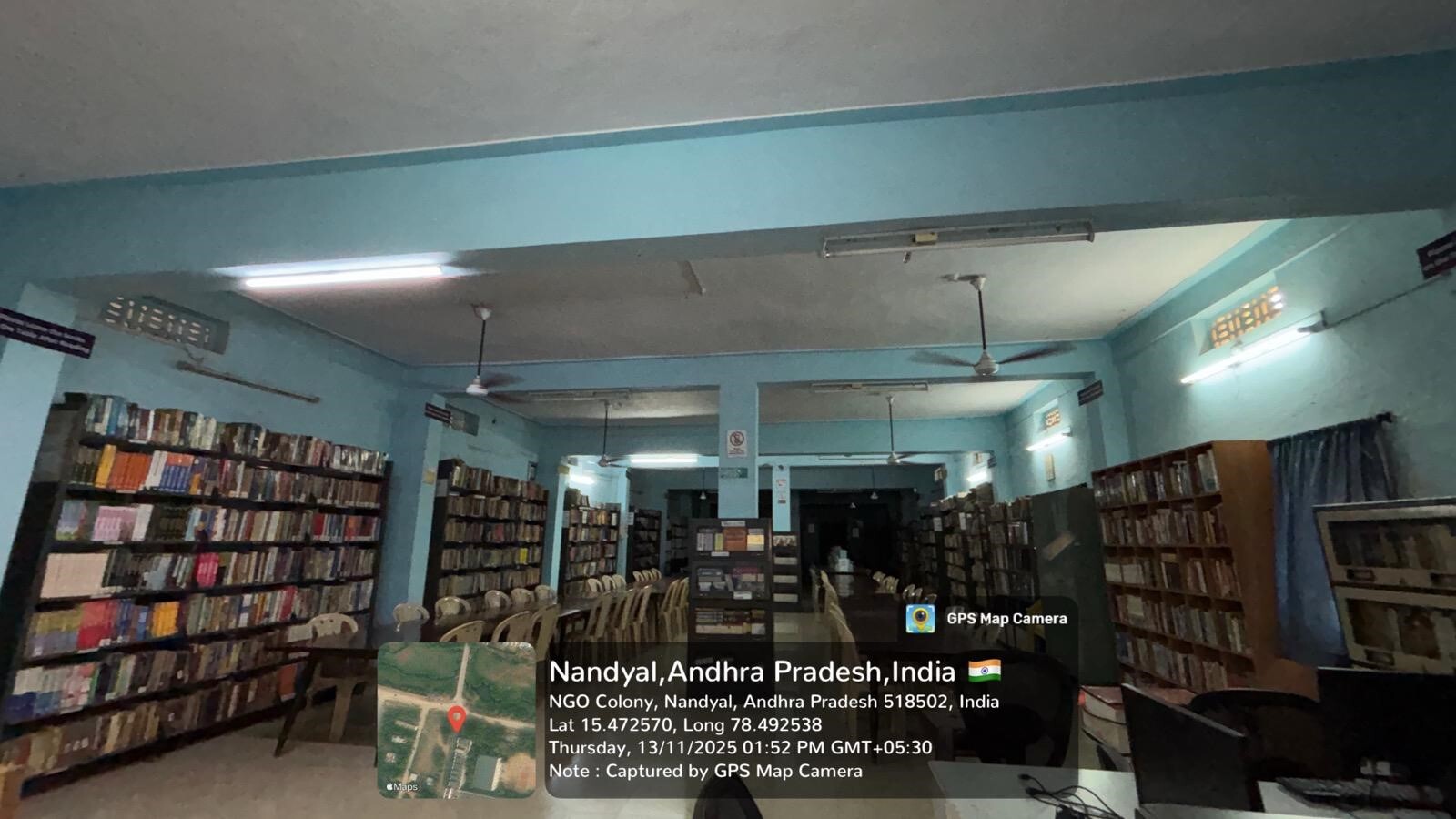
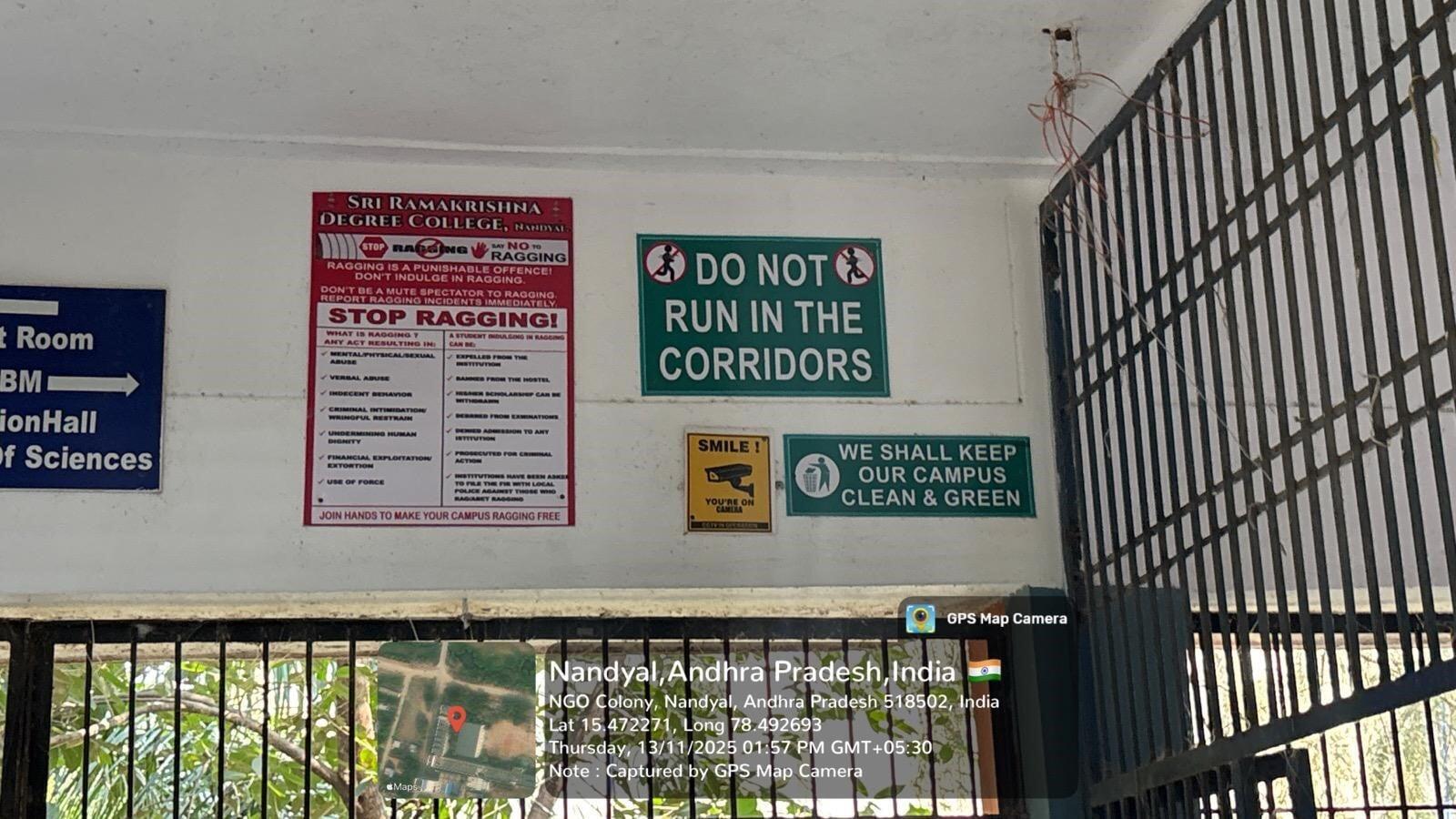
Smart Fans and Lights: Organization has adopted the use of smart fans and energy-efficient LED lights across its campus as a key sustainable feature. These smart systems are designed to optimize energy consumption by adjusting their operation based on occupancy and ambient conditions. By using such advanced technologies, the college significantly reduces electricity usage, thereby lowering its carbon footprint and promoting energy conservation. This initiative reflects SRKDC’s strong commitment to environmental sustainability and responsible energy management. The use of smart electrical appliances not only enhances comfort and efficiency but also encourages students and staff to be conscious of energy-saving practices. Through these eco-friendly measures, the college moves closer to creating a green, energy-smart campus, setting a model for sustainable practices in educational institutions.
Digital communicationOrganization practices digital communication and online examinations as part of its sustainable development initiatives. By sending circulars, notices, and announcements through Whats-app and other digital platforms, the college minimizes paper consumption and reduces waste generation. Similarly, conducting examinations in online mode significantly cuts down the use of printed materials, thereby conserving natural resources and promoting an eco-friendly academic environment. This digital approach reflects SRKDC’s commitment to integrating technology with sustainability. By adopting paperless practices, the institution not only enhances efficiency and accessibility but also contributes to the global effort of reducing deforestation and carbon emissions. Through these measures, SRKDC demonstrates how responsible digital transformation can support a greener, more sustainable campus ecosystem.
Smart Fans and Lights:
Organization has adopted the use of smart fans and energy-efficient LED lights across its campus as a key sustainable feature. These smart systems are designed to optimize energy consumption by adjusting their operation based on occupancy and ambient conditions. By using such advanced technologies, the college significantly reduces electricity usage, thereby lowering its carbon footprint and promoting energy conservation. This initiative reflects SRKDC’s strong commitment to environmental sustainability and responsible energy management. The use of smart electrical appliances not only enhances comfort and efficiency but also encourages students and staff to be conscious of energy-saving practices. Through these eco-friendly measures, the college moves closer to creating a green, energy-smart campus, setting a model for sustainable practices in educational institutions.
Digital communication
Organization practices digital communication and online examinations as part of its sustainable development initiatives. By sending circulars, notices, and announcements through Whats-app and other digital platforms, the college minimizes paper consumption and reduces waste generation. Similarly, conducting examinations in online mode significantly cuts down the use of printed materials, thereby conserving natural resources and promoting an eco-friendly academic environment. This digital approach reflects SRKDC’s commitment to integrating technology with sustainability. By adopting paperless practices, the institution not only enhances efficiency and accessibility but also contributes to the global effort of reducing deforestation and carbon emissions. Through these measures, SRKDC demonstrates how responsible digital transformation can support a greener, more sustainable campus ecosystem.
Remarkable initiatives
The initiatives are noted follows:
The initiatives are noted follows:
- Renewable Energy: The installation of a rooftop solar-power system signifies a strong commitment to sustainability, reducing its reliance on conventional grid electricity and cutting greenhouse-gas emissions. By harnessing solar energy, the institution not only lowers operational energy costs but also aligns with climate-action goals and the global push for renewable energy. This proactive approach positions the college as a responsible steward of the environment, demonstrating how educational institutions can lead by example in integrating clean energy into their infrastructure. Beyond the environmental and financial benefits, the solar power plant serves an educational and community role. It becomes a living laboratory where students can observe and learn about renewable energy systems in action—linking theory in science and engineering classes with real-world application. The visibility of the solar installation also helps raise awareness among campus visitors, staff and the broader community about sustainable practices. In this way, the college not only powers its operations more cleanly but also fosters a culture of sustainability, empowering its students to become environmentally conscious citizens.
- Rain Water Harvesting: The rainwater harvesting pits are implemented as an important sustainable feature within its campus. These pits are designed to collect and store rainwater from rooftops and open areas, allowing it to percolate into the ground and recharge the groundwater table. This initiative not only helps in conserving water but also reduces dependency on external water sources, promoting efficient resource management within the institution. By adopting rainwater harvesting, SRKDC demonstrates its commitment to environmental conservation and sustainability. The system helps prevent water-logging and soil erosion during heavy rains, while ensuring that rainwater is effectively utilized for future needs. This eco-friendly practice reflects the college’s vision of creating a green and sustainable campus, inspiring students and staff to adopt similar environmental practices in their daily lives.
- Sewage Treatment Plant (STP): It has been established in the Boys’ hostel as part of its commitment to sustainable development. The plant efficiently treats wastewater generated from the hostel, converting it into reusable water suitable for gardening, cleaning, and other non-potable purposes. This process not only minimizes water wastage but also helps in conserving fresh water resources, aligning with the college’s broader goal of promoting environmental responsibility. Through the installation of the STP, SRKDC ensures that wastewater is properly managed and treated before being reused or released, thereby preventing pollution and protecting the ecosystem. This initiative reflects the institution’s proactive approach toward sustainable campus management. By integrating modern waste treatment technologies, the college sets an example of how educational institutions can effectively balance infrastructure needs with environmental care and long-term sustainability.
- Dry and wet waste disposal system: An effective dry and wet waste disposal system has been implemented as part of its sustainable campus initiatives. The system ensures that waste generated within the college is properly segregated at the source — with dry waste such as paper, plastic, and metal separated from wet waste like food and organic materials. This segregation enables efficient recycling and composting processes, reducing the amount of waste that goes to landfills. By maintaining this eco-friendly waste management system, SRKDC promotes environmental awareness and responsible waste handling among students and staff. The compost produced from organic waste is often reused for gardening purposes within the campus, completing a sustainable waste-to-resource cycle. This initiative highlights the college’s dedication to creating a clean, green, and sustainable environment, fostering a culture of environmental responsibility in the academic community.
Eco-learning
- Renewable Energy: The installation of a rooftop solar-power system signifies a strong commitment to sustainability, reducing its reliance on conventional grid electricity and cutting greenhouse-gas emissions. By harnessing solar energy, the institution not only lowers operational energy costs but also aligns with climate-action goals and the global push for renewable energy. This proactive approach positions the college as a responsible steward of the environment, demonstrating how educational institutions can lead by example in integrating clean energy into their infrastructure. Beyond the environmental and financial benefits, the solar power plant serves an educational and community role. It becomes a living laboratory where students can observe and learn about renewable energy systems in action—linking theory in science and engineering classes with real-world application. The visibility of the solar installation also helps raise awareness among campus visitors, staff and the broader community about sustainable practices. In this way, the college not only powers its operations more cleanly but also fosters a culture of sustainability, empowering its students to become environmentally conscious citizens.
- Rain Water Harvesting: The rainwater harvesting pits are implemented as an important sustainable feature within its campus. These pits are designed to collect and store rainwater from rooftops and open areas, allowing it to percolate into the ground and recharge the groundwater table. This initiative not only helps in conserving water but also reduces dependency on external water sources, promoting efficient resource management within the institution.By adopting rainwater harvesting, SRKDC demonstrates its commitment to environmental conservation and sustainability. The system helps prevent water-logging and soil erosion during heavy rains, while ensuring that rainwater is effectively utilized for future needs. This eco-friendly practice reflects the college’s vision of creating a green and sustainable campus, inspiring students and staff to adopt similar environmental practices in their daily lives.
- Sewage Treatment Plant (STP): It has been established in the Boys’ hostel as part of its commitment to sustainable development. The plant efficiently treats wastewater generated from the hostel, converting it into reusable water suitable for gardening, cleaning, and other non-potable purposes. This process not only minimizes water wastage but also helps in conserving fresh water resources, aligning with the college’s broader goal of promoting environmental responsibility. Through the installation of the STP, SRKDC ensures that wastewater is properly managed and treated before being reused or released, thereby preventing pollution and protecting the ecosystem. This initiative reflects the institution’s proactive approach toward sustainable campus management. By integrating modern waste treatment technologies, the college sets an example of how educational institutions can effectively balance infrastructure needs with environmental care and long-term sustainability.
- Dry and wet waste disposal system: An effective dry and wet waste disposal system has been implemented as part of its sustainable campus initiatives. The system ensures that waste generated within the college is properly segregated at the source — with dry waste such as paper, plastic, and metal separated from wet waste like food and organic materials. This segregation enables efficient recycling and composting processes, reducing the amount of waste that goes to landfills. By maintaining this eco-friendly waste management system, SRKDC promotes environmental awareness and responsible waste handling among students and staff. The compost produced from organic waste is often reused for gardening purposes within the campus, completing a sustainable waste-to-resource cycle. This initiative highlights the college’s dedication to creating a clean, green, and sustainable environment, fostering a culture of environmental responsibility in the academic community.
Eco-learning
This section refers to exclusive knowledge and terminologies that one can grasp based on information provided below.
Smart fans and lights: These will help judiciously in energy conservation but one cannot deny the fact that the costs of these products is exorbitantly high make it slightly out of question for common public. There should be a certain feasible price factor for the eco-products to make it for affordable for the common public.
Eco-takeaways
This section refers to knowledge that one can implement in day-to-day life.
Adopting 'Digital education' will help simplify tasks to a great extent! Notes
Disclaimer: The article is written by Author based on the details (including image) provided by the organization.