
The process of gifting is an effort to mark an exchange of gestures; when equipped with an eco perspective that is gifting of plants/ saplings helps in developing the culture of sustainability.
Introduction
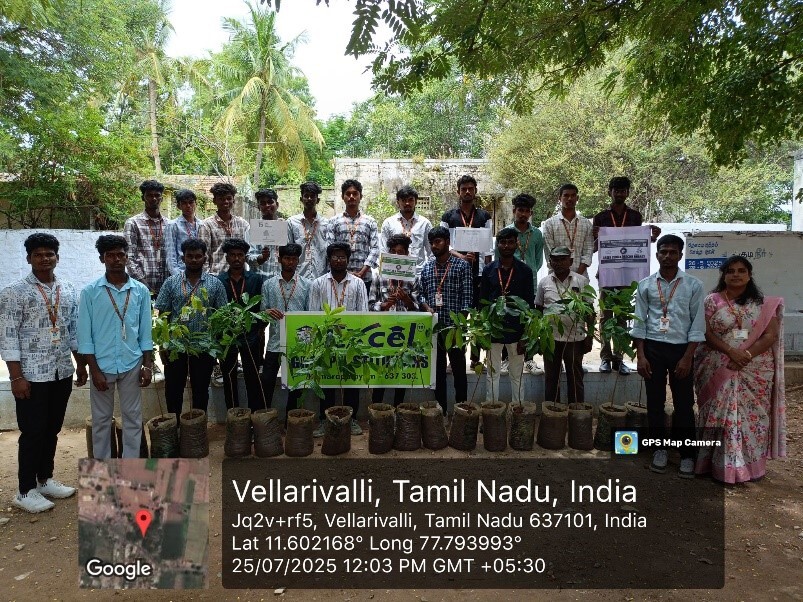
Sapling plantation programs and green gifting events are regular, enhancing both on-campus and local biodiversity and involving students in ecosystem restoration activities. Recognized nationally with titles and awards for sustainable development, industry partnerships, and social responsibility, Excel Engineering College showcases institutional leadership in eco-consciousness and sustainability. With a holistic approach combining infrastructure, active student participation, innovative resource management, Excel Engineering College and its group of institutions exemplify what it means to be a pioneering and sustaining environmental responsibility on campus and within the broader community.
Specimen
This section supports the title statement and the interpretation.
Remarkable initiatives
The collective efforts speak volumes of the core environmental concern. These are emphasized through careful strategies as follows:
The collective efforts speak volumes of the core environmental concern. These are emphasized through careful strategies as follows:
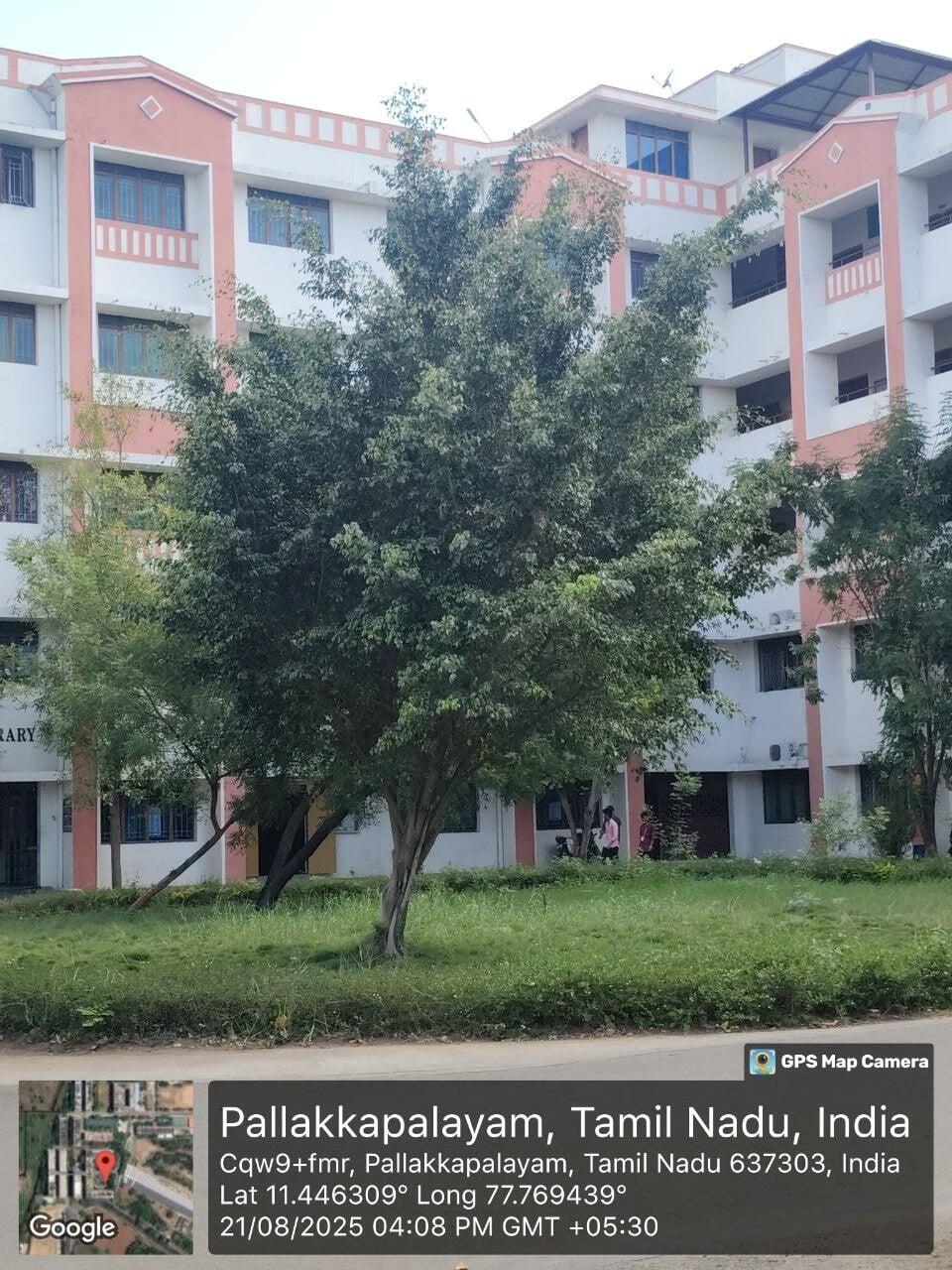
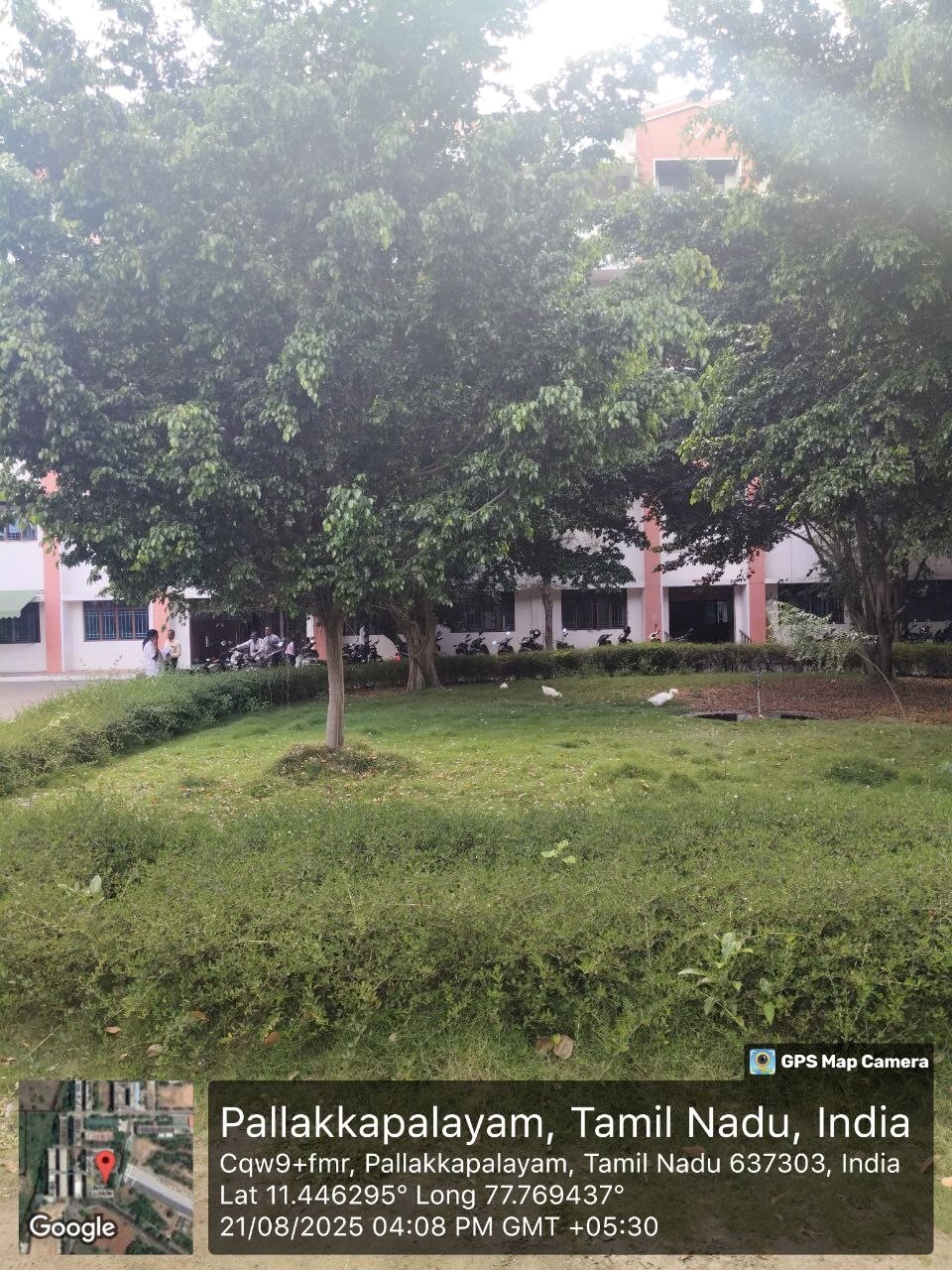
- Biodiversity and Green Spaces - The campus boasts a significant green cover with nearly 2,000+ mature trees, multiple lawns, a herbal garden, and hedges that not only provide aesthetic value but tangibly reduce carbon dioxide levels.
- Water and Waste Management - Excel Engineering College uses rainwater harvesting, has multiple groundwater recharge pits, and maintains its own reverse osmosis (RO) water plant. Grey water from this plant is recycled for gardening, showing innovative water stewardship. The institution manages solid, liquid, and e-waste systematically. Composting, recycling, and the responsible disposal of hazardous/biomedical waste are standard, with color-coded dustbins and dedicated pipelines for different waste streams. Practices like drip irrigation and sprinkler systems ensure responsible water use for landscaping.
- Resource conservation - The institution actively promotes sustainable energy practices through the installation of solar panels (200 kW capacity) and solar water heaters, ensuring the use of renewable energy resources. To enhance energy efficiency, LED bulbs and CFLs are widely used across the campus. Additionally, classrooms are designed to maximize the use of natural lighting, reducing dependence on artificial sources during the day. The college is also introducing sensor-based lighting systems to further minimize energy wastage and encourage responsible resource utilization.
- Sustainability oriented Academics and Recognition - The College offers programs like M.E. in Environmental Engineering and actively incorporates sustainability into its formal education.
- Community and Student Engagement - The institution’s Green Club and allied groups participate in community initiatives (e.g., the “Puneet Sagar Abhiyan” coastal and riverbank cleanups, International Green Days, and Ozone Layer protection campaigns), and often extend their impact beyond the campus by involving public awareness and outreach. The club also partners with local trusts and organizes large-scale environmental campaigns and collaborations, such as MoUs with organizations like Atchayam Trust to further environmental goals.
- Eco emissions - Students are encouraged to walk or cycle within campus; the college operates 83 buses, which significantly lowers emissions caused by individual transportation.
- Biodiversity and Green Spaces - The campus boasts a significant green cover with nearly 2,000+ mature trees, multiple lawns, a herbal garden, and hedges that not only provide aesthetic value but tangibly reduce carbon dioxide levels.
- Water and Waste Management - Excel Engineering College uses rainwater harvesting, has multiple groundwater recharge pits, and maintains its own reverse osmosis (RO) water plant. Grey water from this plant is recycled for gardening, showing innovative water stewardship. The institution manages solid, liquid, and e-waste systematically. Composting, recycling, and the responsible disposal of hazardous/biomedical waste are standard, with color-coded dustbins and dedicated pipelines for different waste streams. Practices like drip irrigation and sprinkler systems ensure responsible water use for landscaping.
- Resource conservation - The institution actively promotes sustainable energy practices through the installation of solar panels (200 kW capacity) and solar water heaters, ensuring the use of renewable energy resources. To enhance energy efficiency, LED bulbs and CFLs are widely used across the campus. Additionally, classrooms are designed to maximize the use of natural lighting, reducing dependence on artificial sources during the day. The college is also introducing sensor-based lighting systems to further minimize energy wastage and encourage responsible resource utilization.
- Sustainability oriented Academics and Recognition - The College offers programs like M.E. in Environmental Engineering and actively incorporates sustainability into its formal education.
- Community and Student Engagement - The institution’s Green Club and allied groups participate in community initiatives (e.g., the “Puneet Sagar Abhiyan” coastal and riverbank cleanups, International Green Days, and Ozone Layer protection campaigns), and often extend their impact beyond the campus by involving public awareness and outreach. The club also partners with local trusts and organizes large-scale environmental campaigns and collaborations, such as MoUs with organizations like Atchayam Trust to further environmental goals.
- Eco emissions - Students are encouraged to walk or cycle within campus; the college operates 83 buses, which significantly lowers emissions caused by individual transportation.
Eco-learning
This section refers to exclusive knowledge and terminologies that one can grasp based on information provided below.
Culture of sustainability:It involves integrating sustainability into daily operations, decision-making, and overall mindset, influencing behaviors and fostering long-term sustainable development by balancing needs and protecting resources.
Eco-takeaways
This section refers to knowledge that one can implement in day-to-day life - Awareness activity on following events:
- Gifting of saplings Care Centre as a model should be implemented every 25km in entire country.- The daily readings should be noted and studied to understand the environmental impact.
Notes
Disclaimer: The article is written by Author based on the details (including image) provided by the organization.