
The identification of hotspots is an emerging concept that is crucial at this juncture. Notifying these areas in advance will benefit stakeholders and safeguard public health.
Introduction
The campus has established a comprehensive sustainability framework that includes 15 rainwater harvesting systems, wastewater treatment facilities, composting and vermicomposting units, solar energy installations, extensive green landscaping, herbal gardens, and biodiversity conservation measures. Air quality monitoring revealed excellent environmental conditions, with carbon dioxide concentrations remaining within permissible limits and Air Quality Index (AQI) values consistently in the “Good” category. The campus maintains more than 30% natural vegetation cover, contributing to improved oxygen levels, carbon sequestration, and enhanced ecological balance.
Significant achievements include effective waste segregation at source, implementation of low-flow water fixtures, operation of wastewater recycling systems, adoption of LED and energy-efficient lighting, utilization of solar photovoltaic systems and solar water heaters, and promotion of pedestrian-friendly pathways and bicycle usage. Regular awareness programs, environmental campaigns, and stakeholder engagement activities foster a culture of sustainability among students, faculty, staff, and the surrounding community.
The institution’s annual carbon footprint assessment has enabled the identification of emission hotspots and the development of strategies for carbon reduction through renewable energy expansion, green transportation, and increased plantation activities. Sustainable landscaping, soil conservation measures, and water management practices further support long-term environmental resilience. Through these integrated efforts, the institution has emerged as a model green campus, demonstrating measurable environmental impact, resource conservation, stakeholder participation, and a strong commitment toward achieving the Sustainable Development Goals (SDGs) and building a climate-resilient future.
Specimen
This section supports the title statement and the interpretation.
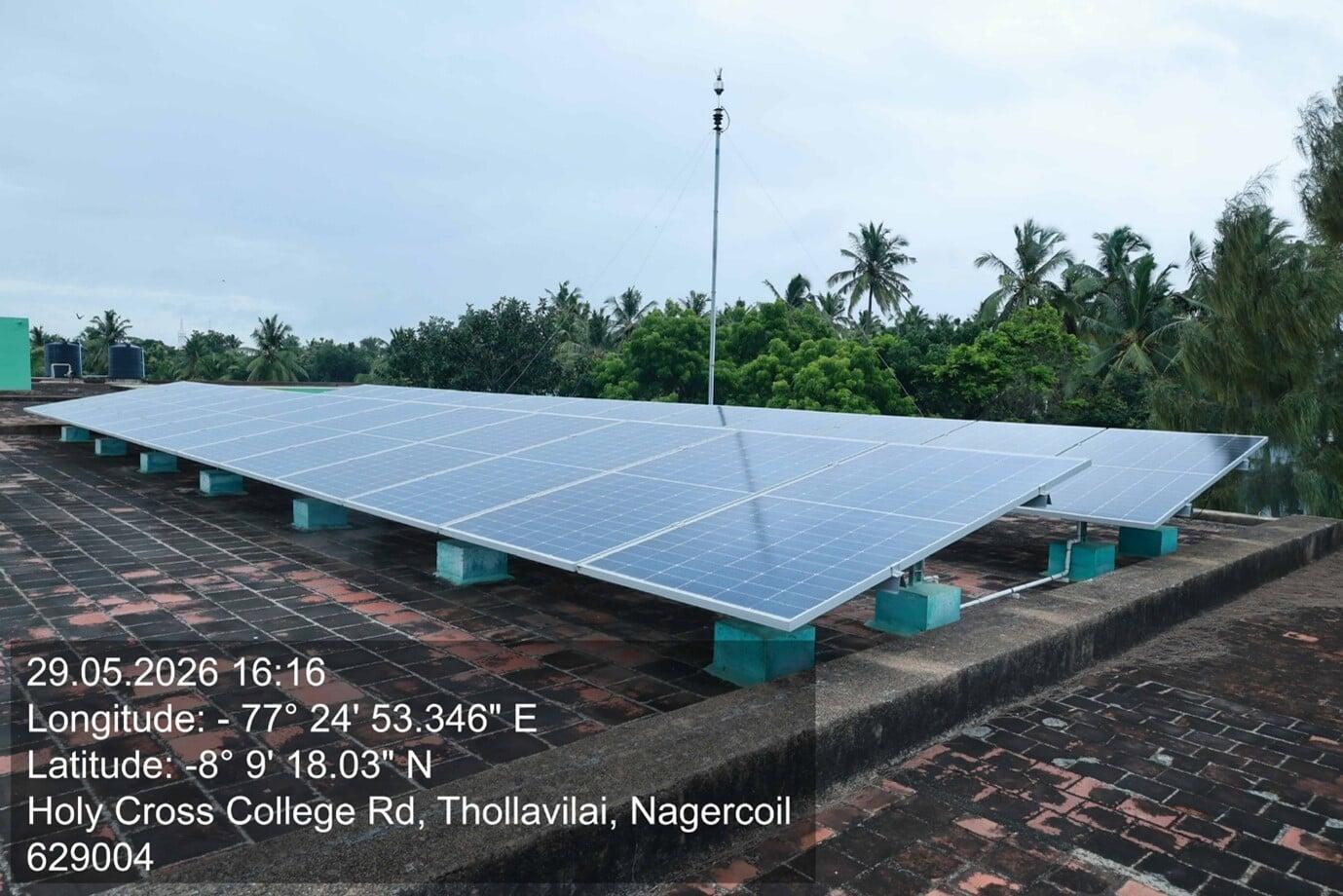
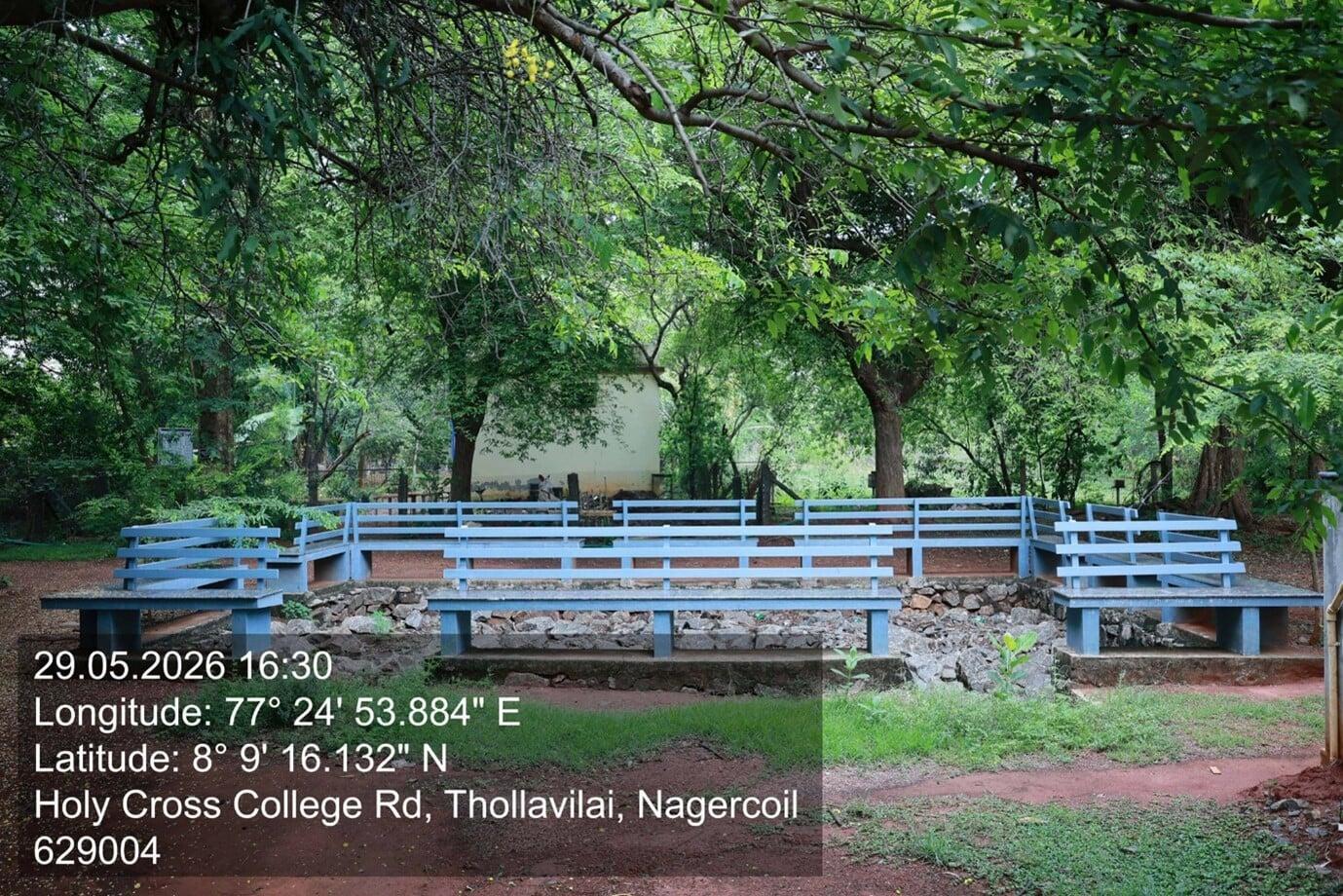
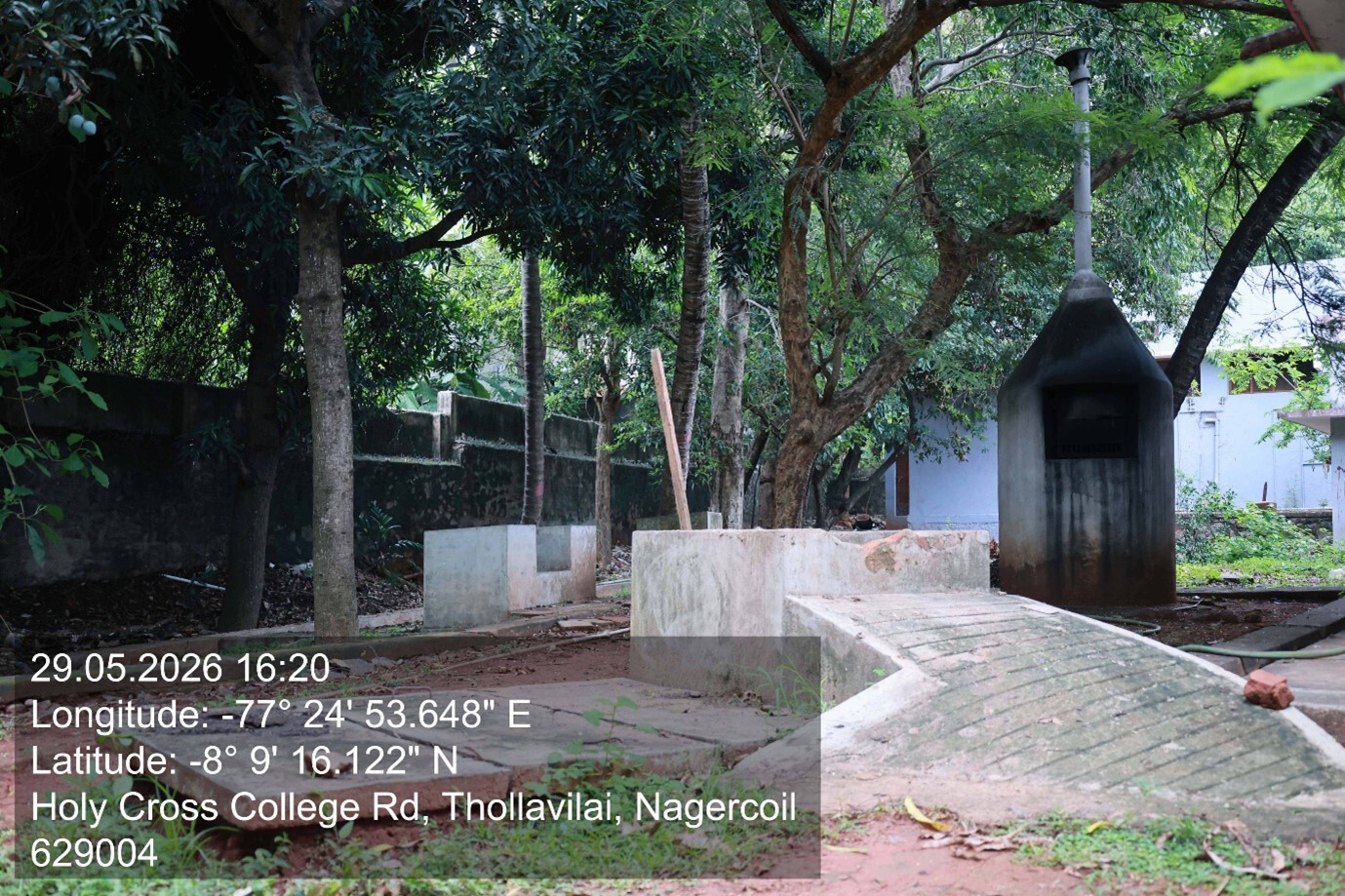
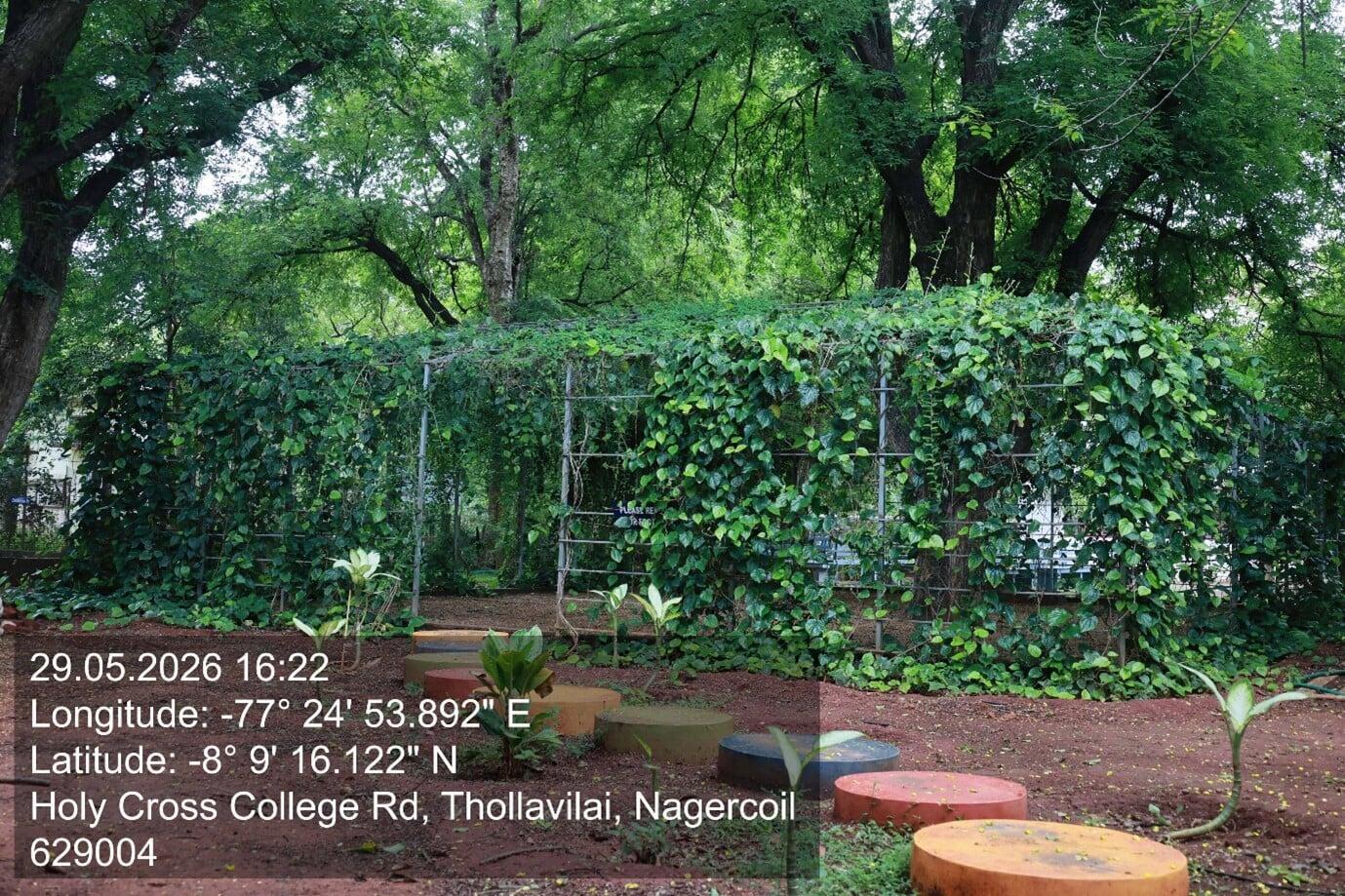
Rooftop solar panels Rainwater harvetsing system & percolation pond Biogas plant Biodiversity park
Remarkable initiatives
The collective efforts speak volumes of the core environmental concern. These are emphasized through careful strategies as follows:
The collective efforts speak volumes of the core environmental concern. These are emphasized through careful strategies as follows:
- Renewable Energy Systems - Rooftop solar panel available for solar installations. Solar Power Generation. Adequate external and vertical shading are provided to conserve energy. ‘Danger’ and ‘warning boards’ are available near generator and UPS. Natural ventilation through windows and shading is available adequately to reduce the energy consumption. Low emitting lights are fixed as per the LPD mentioned in National Building Code (NBC), Part -11: Approach to Sustainability ensuring safety and comfort. Building Integrated Photovoltaic system like power storage system, backup power supplies, wiring and safety disconnects are available. A proper record of diesel consumption per hour should be maintained for the DG set to monitor fuel efficiency and operational performance.
- Rainwater harvesting system and percolation pond - Rainwater harvesting system is a traditional old practice not only in drought prone areas and in areas having seasonal rainfall. Indian traditional rainwater harvesting systems are constructed based on three modes either direct pumped, indirect pumped or by both modes. In addition, lakes, ponds, water channels and any other water reservoir methods are considered as the rainwater harvesting system. During the audit it has been observed that the organization has developed rain water harvesting system and properly maintained.
- Waste management and recycling - The Biogas is available in the Campus. Recycling and reuse of waste materials are implemented in the campus through vermicomposting. Solid wastes can be segregated at the source of generation by implementing the use of different coloured dustbins. MoU signed with the authorized waste disposal agency as an effective practice of waste management. Incinerator facilities are available for the disposal of napkins. An additional sewage treatment plant is recommended as part of future expansion plans. Biodegradable waste can be utilized for a biogas plant as a future sustainability initiative.
- Green Landscaping and Biodiversity Conservation- Planting native species, maintaining green spaces, creating biodiversity parks, and protecting local ecosystems to improve environmental quality.
Eco-learning
This section refers to exclusive knowledge and terminologies that one can grasp based on information:
Identification of emission hotspots: This is very good initiative, every organization should undertake this.
Eco-takeaways
This section refers to knowledge that one can implement in day-to-day life - Strategic Partnerships for Sustainable Development
Once the hotspots are identified, measures such as - Light colored floorings/ Planting trees for shade in those areas/ Including bird or plant water feeders etc. should be taken.
Also a display board that this is 'Emission hotspot zone' should be demarcated.
Notes
Disclaimer: The article is written by Author based on the details (including image) provided by the organization.